Everyday driving
Cars and other vehicles: describe the sound, where you notice it and the conditions in which it occurs.
 SILENTIUS RDL LLCACOUSTIC SOLUTIONS
Vehicles & RVs · Serving Albuquerque and surrounding areas
A familiar road. A favorite song. A conversation worth having. Tell us which sounds compete with your time behind the wheel or away from home.
 Illustrative setting
Road and operating noise, resonant panels and sounds around a parked camper call for different approaches. We start with where and when the concern appears.
Cars and other vehicles: describe the sound, where you notice it and the conditions in which it occurs.
Motorhomes, travel trailers, fifth wheels and campers: distinguish travel conditions from time spent in the parked living space.
Acoustic assessment and acoustic insulation installation options should fit the specific vehicle, its materials, normal operation and access needs.
Start with the way you use it
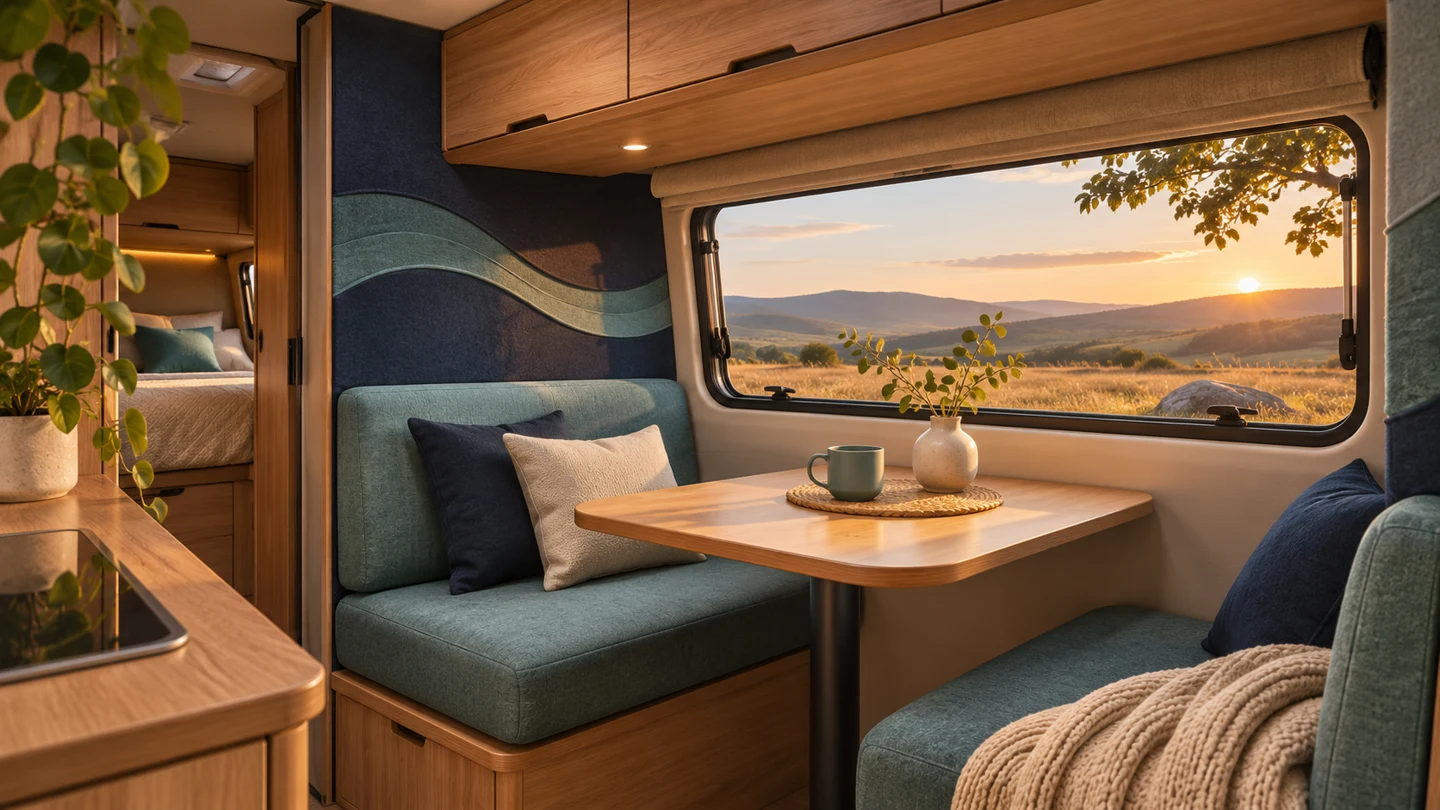
Your RV or camper is a place to pause, talk, read or simply be. Start with the activity you want to enjoy and the sound that interrupts it.
We consider camper vans, truck campers, pop-up and folding campers, and portable recreation shelters as well as larger recreational vehicles. The enclosure and its openings shape the options.
Share your vehicle type, make, model and year; where the sound seems to come from; and whether it occurs while moving or parked. Gather notes or recordings only when safely parked.
The approach depends on your vehicle and the sounds you notice, such as road noise, rattles or sound entering the cabin. We consider sound measurements alongside your listening experience, then discuss suitable materials and placement for your vehicle.
The expected change depends on the sound source, vehicle construction, selected treatment and operating conditions. We discuss these factors with you and set expectations around the conditions of your project.
A practical, clearly defined scope. We offer consultation services, acoustic assessment and acoustic insulation installation, shaped around your space and priorities. The appropriate approach and expected change depend on the sound source, construction and conditions of use. We explore these factors with you and agree on a suitable scope.
Our vehicle acoustic insulation installation scope centers on suitable acoustic treatments while keeping dashboards, airbags, restraints, SRS, critical wiring and safety-critical systems intact. We plan around ventilation, cooling, drainage, access, alarms and manufacturer requirements, and discuss these considerations with you before work begins.

Where vehicle sound begins
Tires interacting with the road, the engine and airflow around a moving vehicle all contribute sound. Their relative contribution changes with speed, road surface and the vehicle itself.
We discuss the conditions in which you notice the sound and assess suitable acoustic options. For an RV or camper, time on the road and time parked present different questions; nearby activity and operating equipment may matter while stationary.
Background reading: Continental on tire, engine and wind sound. These sources explain general principles; project options depend on the actual setting.
Speed, road surface, weather and window position can change the sound heard inside a vehicle. Your description of when a sound occurs helps us plan a useful assessment and interpret the observations in context.
Background: Continental on vehicle sound sources and Flor and colleagues on vehicle operating conditions. We discuss any comparison in relation to the conditions recorded for that vehicle.
Tell us about your space. Let’s explore a practical next step.