Work & meetings
Offices and shared workspaces: consider background sound, reflections and the relationship between focused tasks and collaborative areas.
 SILENTIUS RDL LLCACOUSTIC SOLUTIONS
Commercial · Serving Albuquerque and surrounding areas
A welcoming table. A useful meeting. A place to focus. Consider the acoustic conditions behind the experience you want people to have.
 Illustrative setting
Busy spaces bring people, equipment and conversations together. We consider how your premises operate, when sound becomes a concern and which activities deserve attention.
Offices and shared workspaces: consider background sound, reflections and the relationship between focused tasks and collaborative areas.
Restaurants, cafes, shops and service premises: start with the interaction you want to support and the times when acoustic comfort matters most.
Community, learning and care settings, portable offices, modular rooms, booths and event spaces: discuss the activity and the changes permitted.

Start with the way you use it
The sound of a space is part of being there. Tell us about the customer or team experience you want your premises to support.
We assess relevant conditions and discuss acoustic insulation installation options within an agreed scope. Room absorption, sound transfer and particular equipment sources need different consideration.
We start with your daily operations and the experiences you want to support, from customer conversations to team meetings and focused work. We consider how people, equipment, music and nearby activities shape the sound environment, then discuss an assessment approach that fits your business.
We begin with the experience you want your premises to support. Outcomes depend on the acoustic conditions, the way the space is used and the wider business context. We discuss these factors with you and agree on practical acoustic goals for your project.
Yes. Duration of use, lease permissions, ventilation, exits and accessibility help define which options are suitable to discuss.
A practical, clearly defined scope. We offer consultation services, acoustic assessment and acoustic insulation installation, shaped around your space and priorities. The appropriate approach and expected change depend on the sound source, construction and conditions of use. We explore these factors with you and agree on a suitable scope.
Occupational exposure assessments, formal speech-privacy requirements and certified performance requirements are matters for appropriately qualified specialists. We discuss these needs as part of defining the project. Hearing protection remains an essential part of activities that require it.
Start with the activity you want the space to support. We consider the source, how the sound reaches people and which acoustic options fit the setting.
Conversations, ventilation, alerts and clinical equipment contribute to the sound environment. Dental tools add their own operating sound. We consider reception areas, waiting rooms and consultation spaces in relation to everyday listening comfort.
Clinical operations, infection-control requirements, alarms and formal confidentiality requirements guide the agreed scope and any specialist coordination.
Voices, calls and office equipment create sound. Hard surfaces reflect it, while doors and partitions influence transfer between activities. We discuss the balance between conversation and focused work.
Conversation, music and operating equipment can contribute at the same time. Room reflections affect how that sound carries through the interior. We consider customer areas, service activity and the times that matter to your business.
Guest activity, corridor conversations and building equipment can reach adjoining spaces. We discuss the rooms and shared areas you want to understand, with attention to the routes sound takes.
Background reading: CDC/NIOSH healthcare noise sources, GSA Sound Matters. These sources explain general principles; project options depend on the actual setting.
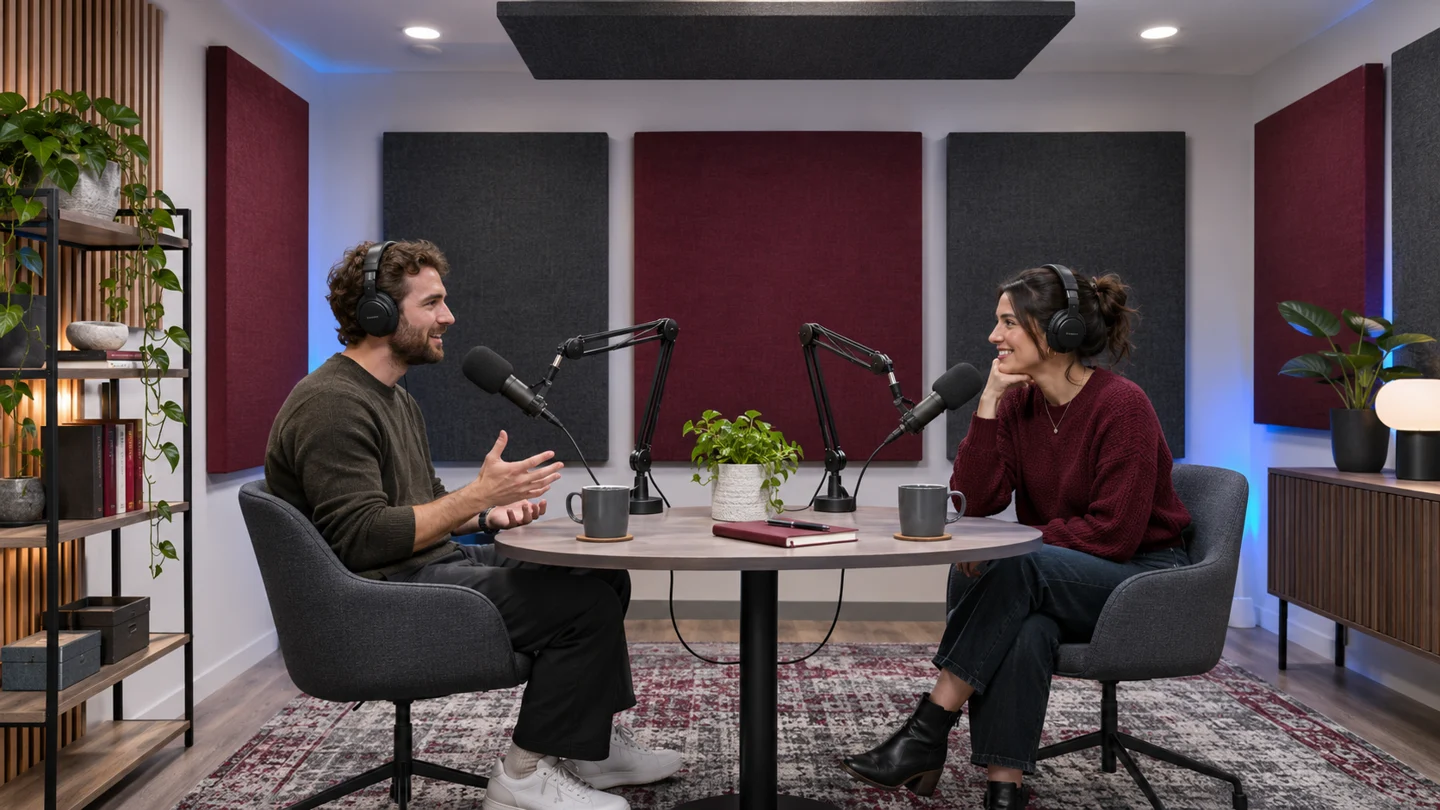
Podcasters, creators & recording spaces
Microphones pick up more than a voice. Computer fans, air vents and appliances can contribute background sound, while reflections from walls and ceilings influence the recorded sound of the room.
We assess the acoustic setting for podcasts, interviews, voice work, streaming and music recording. We discuss room reflections and sound arriving from nearby spaces as separate considerations.
Background reading: Shure on podcast recording environments. These sources explain general principles; project options depend on the actual setting.
Schools, care & community spaces
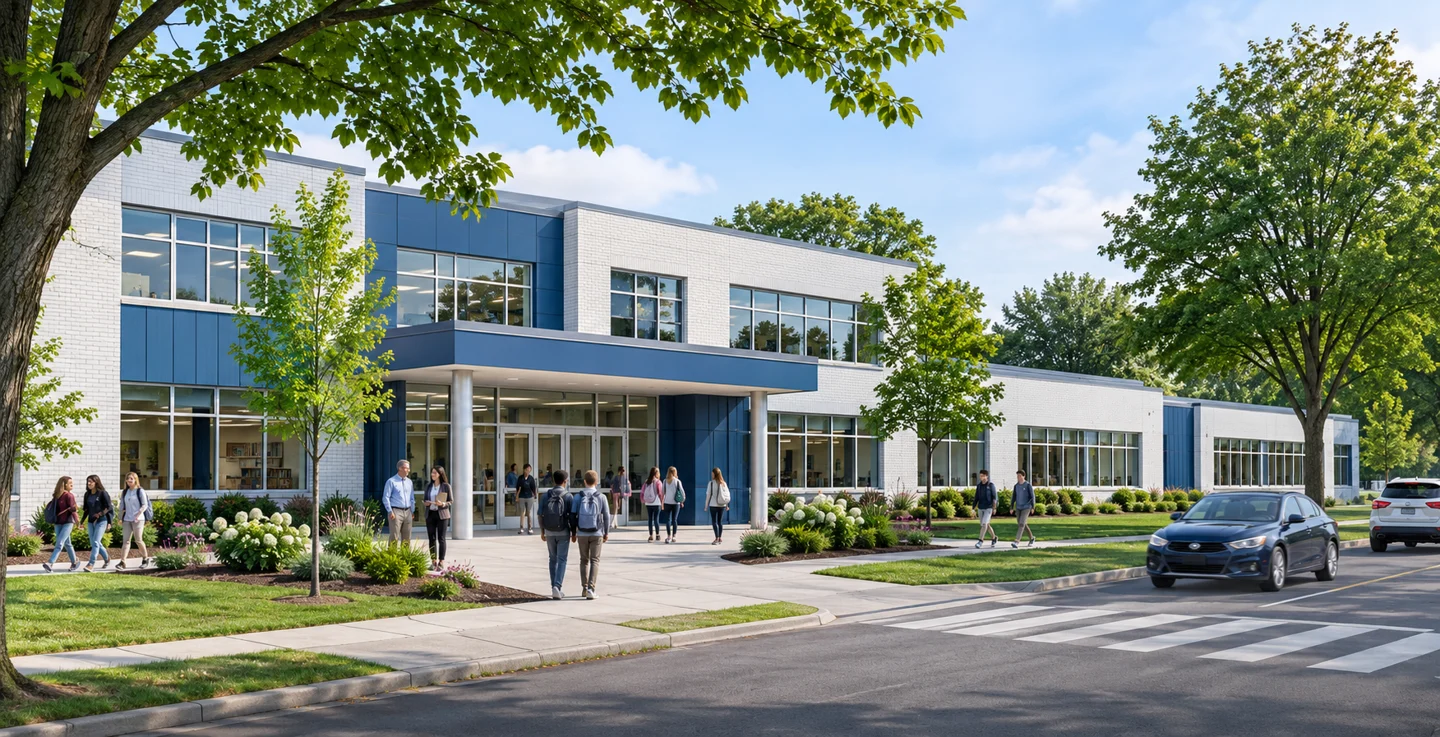
Voices, movement, ventilation and outdoor activity can contribute background sound. Reflections extend sound within a room. Both are relevant when people need to follow a speaker.
We discuss classrooms, training rooms, libraries, childcare and care settings, community halls and places of worship around their everyday activities. Accessibility, safety and sector-specific requirements help define the project.
Background reading: ASHA on background sound and room reflections. These sources explain general principles; project options depend on the actual setting.
Workshops, studios & active spaces
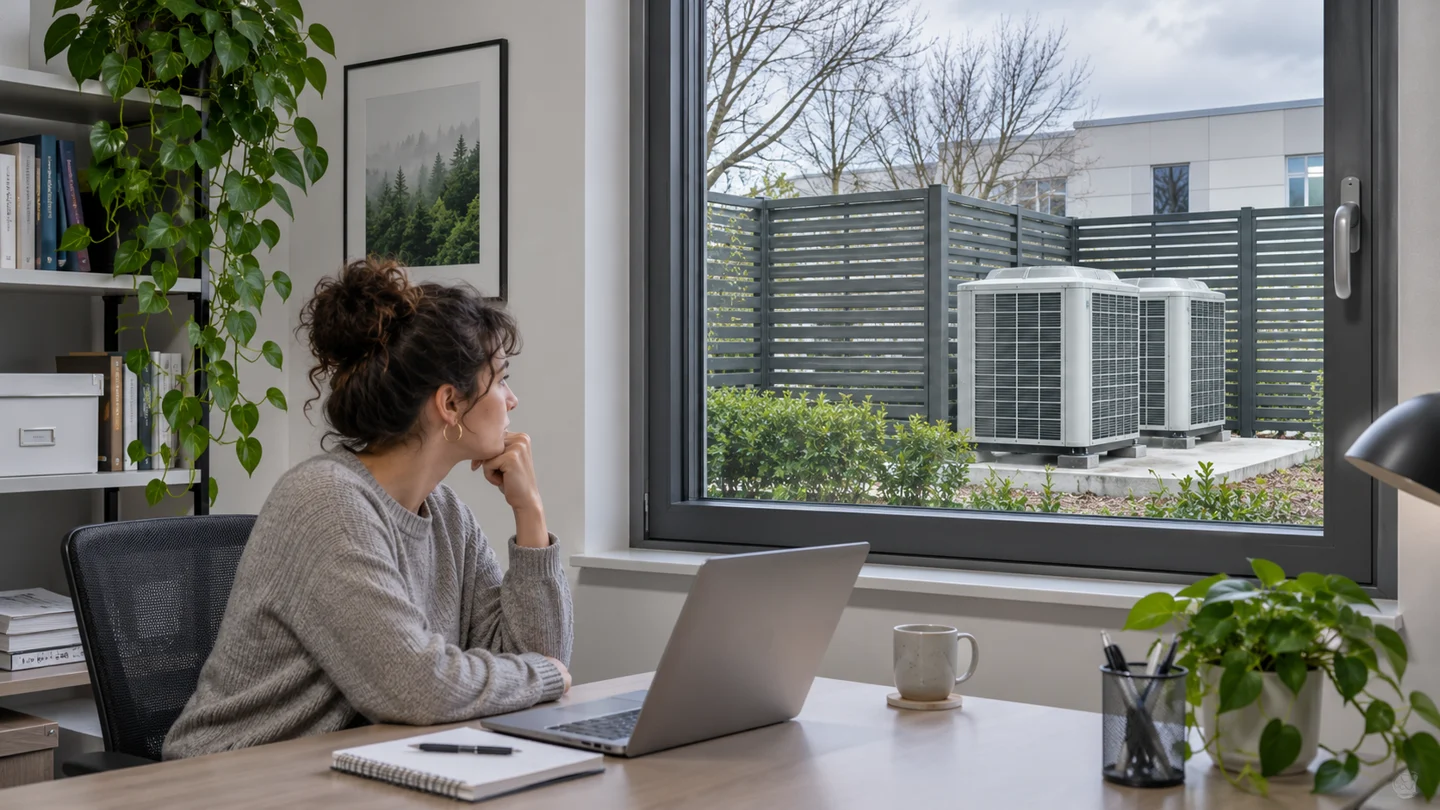
Machines create sound through their operation and vibration. Fans and ventilation equipment can contribute steady background sound. In gyms, dance rooms and rehearsal spaces, activity and music add their own sources.
We discuss practical acoustic assessment for workshops, maker spaces, fitness studios, salons, veterinary offices and mixed-use premises. Suitable options depend on the source, operating conditions and how sound travels through the setting. Occupational exposure and specialist equipment work belong with appropriately qualified providers.
Background reading: NIOSH on noise sources and control approaches. These sources explain general principles; project options depend on the actual setting.
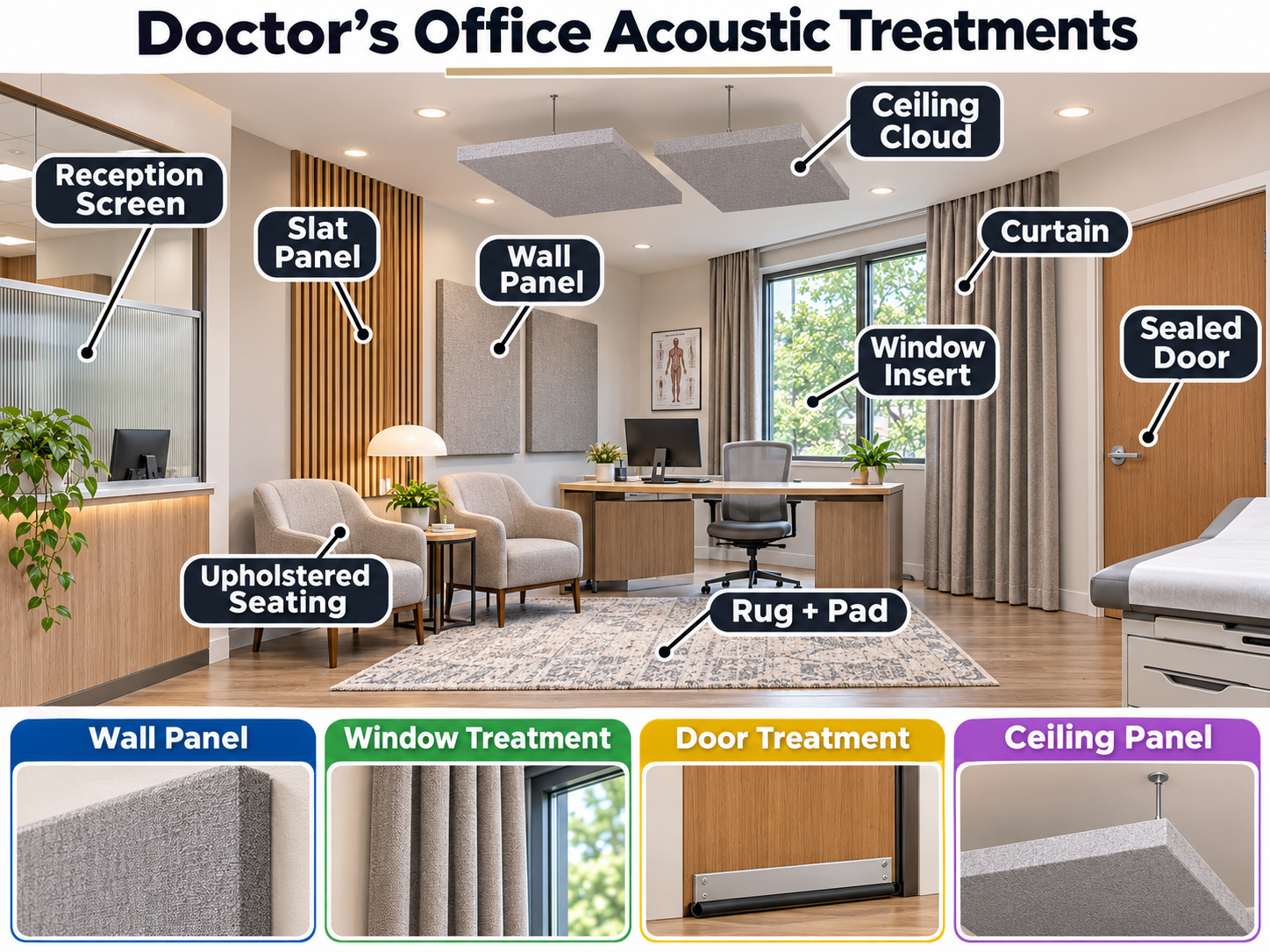
In reception areas and consultation rooms, room reflections and sound passing into adjoining spaces are separate considerations. The diagram gives us a visual starting point for discussing surfaces, openings and the way the room is used.
Clinical requirements, cleaning, ventilation, accessibility and formal confidentiality requirements guide suitability and specialist coordination.
Background: INCE on room absorption and sound isolation.
The placement of activities and the paths between them matter alongside the surfaces in a room. We discuss where conversations take place and where focused work needs its own setting.
Further reading: GSA: Sound Matters.
The activities around a room help shape what people hear. We consider the setting, the sound paths and the way people use the space.

Conversations, corridor activity and building services all contribute to the sound environment. We discuss listening comfort and sound transfer alongside the practical requirements of your space.
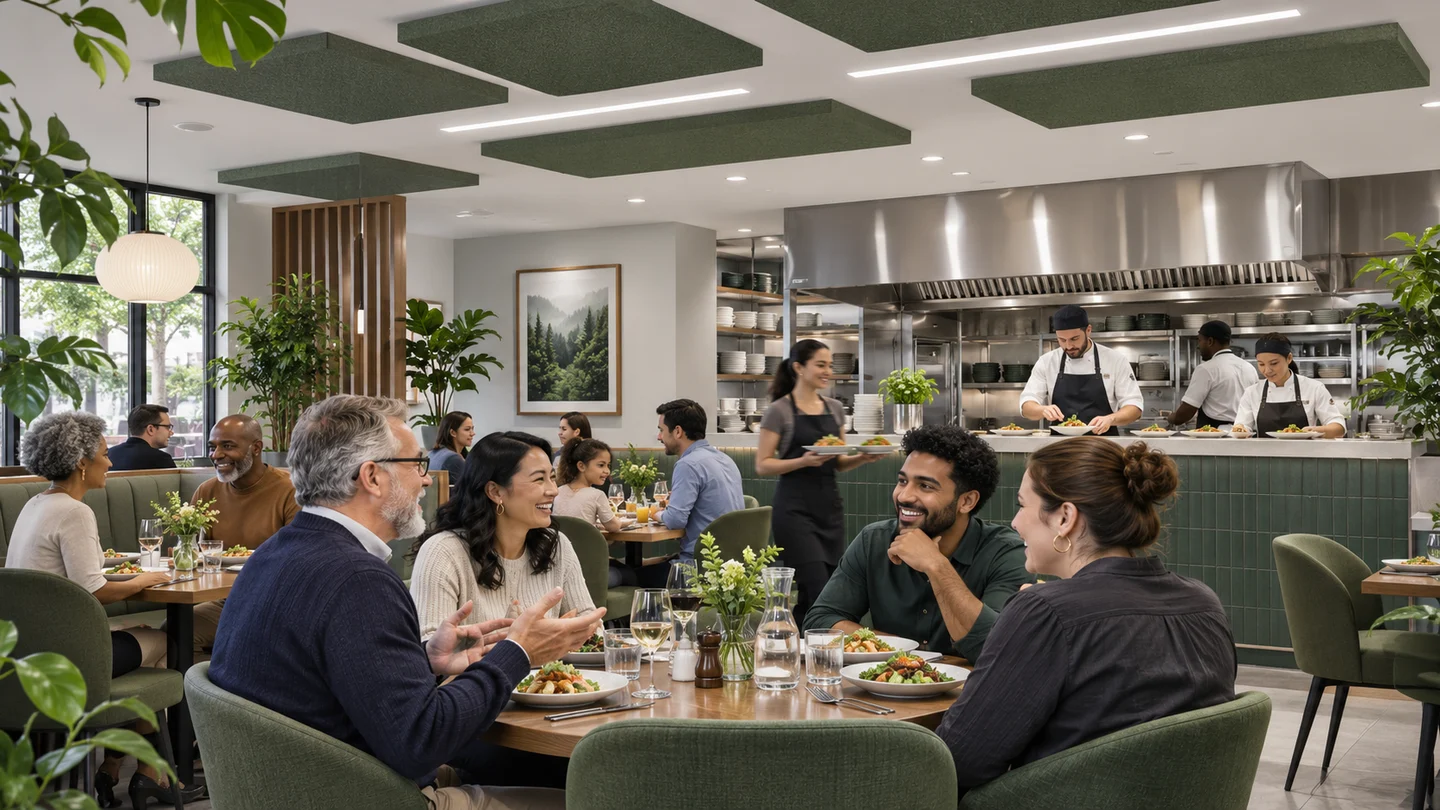
Voices, dishes and kitchen equipment contribute to a busy dining room. The room layout and its surfaces influence how sound reaches guests and staff.
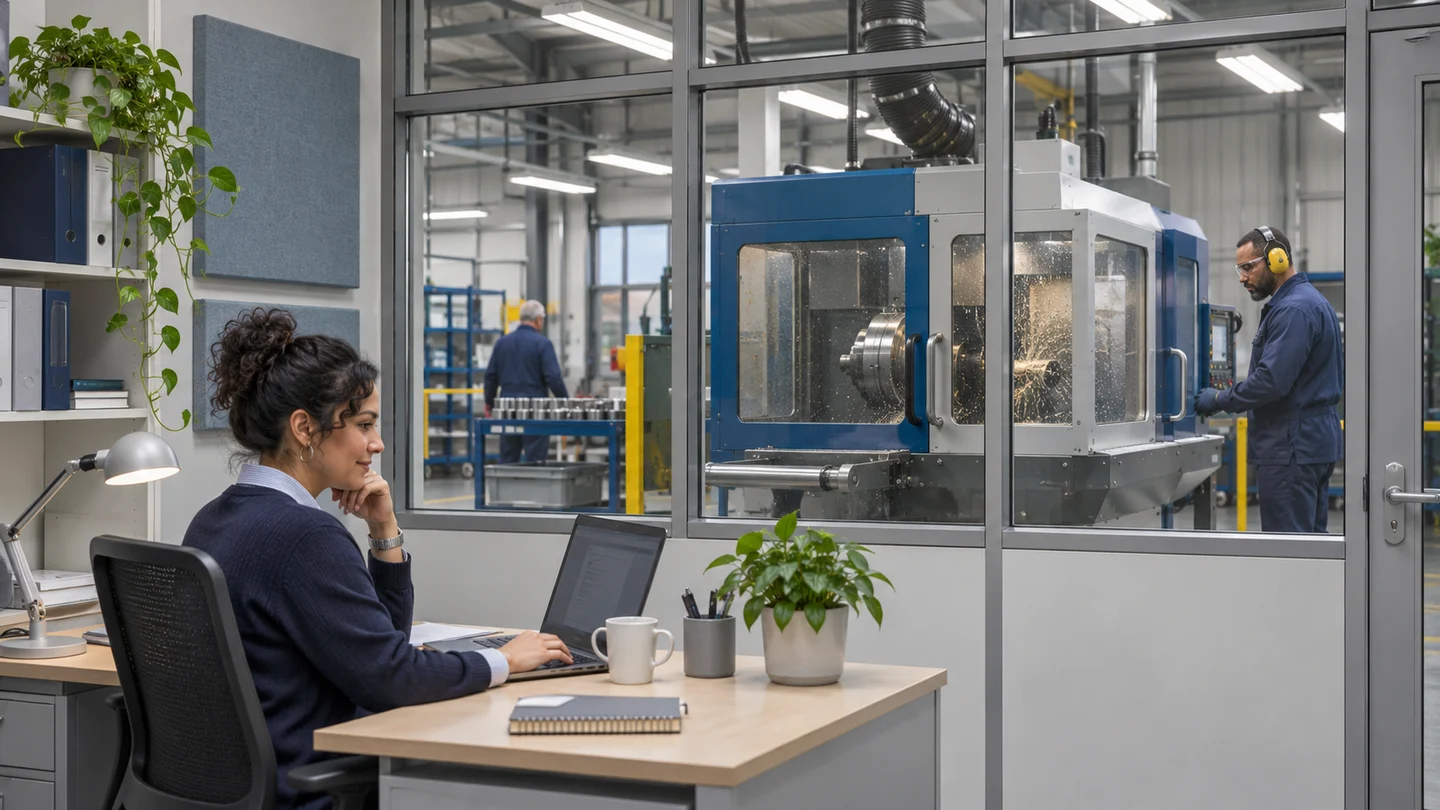
Machinery and nearby work can be heard through separating construction and openings. An assessment helps identify relevant paths and practical priorities.
Tell us about your space. Let’s explore a practical next step.